



Tenth Century Cultural Relics Bifurcation Spiral Figure Porcelain Bowl
Bowl decorated with geometric patterns (swastika and double-forked spiral pattern "yc"). From the site of Elcano, Corclé, Panama, 900-1020 AD. In the collection of the Fundaci Foundation (El Caño). Centre for Archaeological Studies of the Isthmus (Centro de Investigaciones Arqueol ógicas del Istmo).

Red sandstone statue of Shiva
The mentioned artwork is called 'Shiva God Made of Red Sandstone', created in the late 10th century AD, and is now collected at the Minneapolis Museum of Art in the United States. Shiva is the god of destruction and regeneration in Hinduism. The god Shiva on this statue is depicted in an elegant posture, with jewelry decorations hanging from the belt, pendants hanging from the ears, and a carefully crafted dome hairstyle on the hair. Shiva is depicted as a celestial couple worshipped. The dynamic triple bending posture of Shiva, known as tribhanga, is closely related to the prescribed movements of the body, limbs, and gestures in classical Indian dance.

Lancaster Cross Stele
The Lancaster Cross is an ancient stone cross stele, with one of its arms missing. The cross tablet is inscribed with the following rune: 'Pray for Cyniballth and Cuthbert'. The height of this cross shaped monument is 920 millimeters, the width is 400 millimeters, and the depth is 145 millimeters. Discovered near Lancaster, it was taken to St. Wilfried's Church in Halton to protect it. This cross shaped stele can be traced back to the 10th century and is an Anglo Norse cross shaped stele column, with the top part missing. It is currently housed in the British Museum.

Popular Models


Honey Badger (3D animated model)
194 View
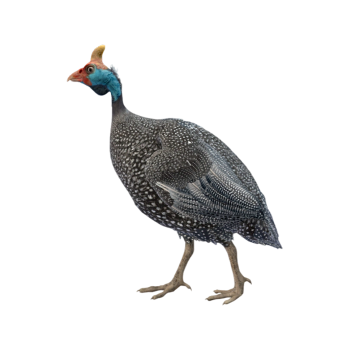
Guinea fowl (3D animated model)
165 View
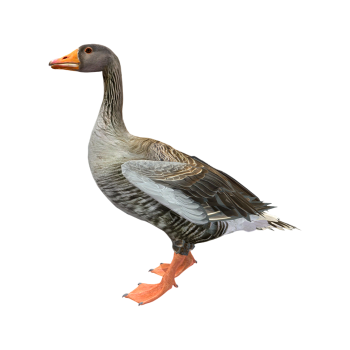
Wild Goose (3D animated model)
187 View

Red Fox (3D animated model)
155 View
Random Model

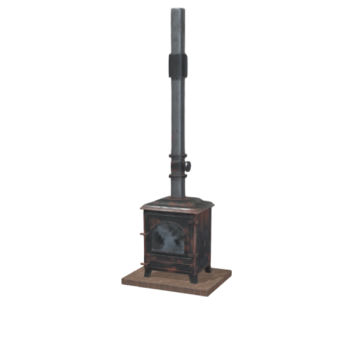
Vintage Rusty Stove Fireplace
615 View


Palm saplings
998 View

Toyota Supra sports car
1051 View
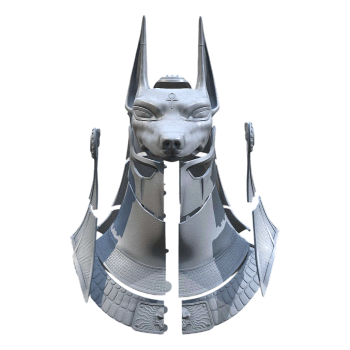

Cobalt ore
828 View


Double spine beetle
2898 View